What Employee Privacy Questions Should Malaysia Employers Ask About Face Attendance?
Introduction
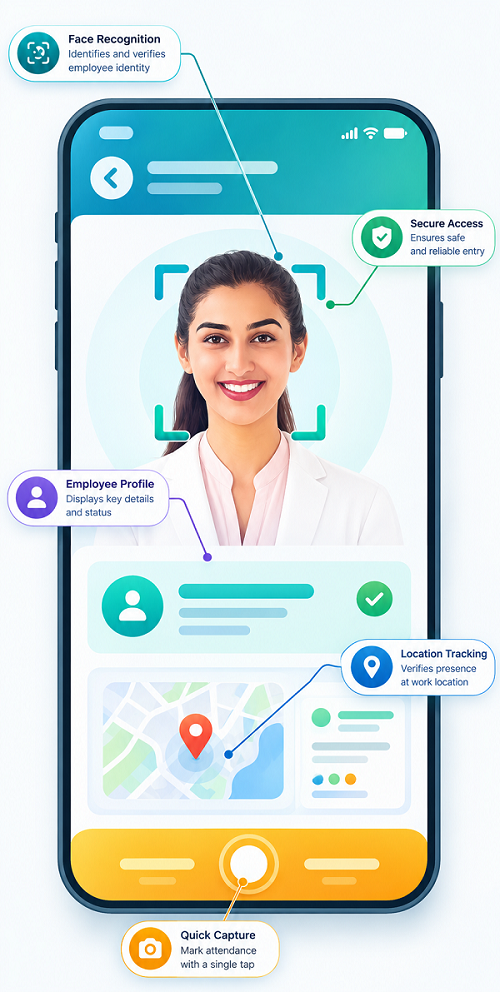
Face recognition attendance systems are becoming increasingly popular among Malaysian businesses looking to improve workforce attendance tracking, reduce time theft, and simplify payroll processing. These systems use facial recognition technology to identify employees when they enter or leave the workplace, automatically recording their attendance details.
However, introducing face attendance technology also raises important employee privacy concerns. Facial images and biometric information are sensitive because they can be used to identify individuals. Employers must therefore consider how this information is collected, processed, stored, accessed, and protected.
In Malaysia, the Personal Data Protection Act 2010 (PDPA), including the Personal Data Protection (Amendment) Act 2024, establishes important requirements for organisations handling personal information. The 2024 amendments specifically include biometric data within the definition of sensitive personal data.
Before implementing face recognition attendance software, Malaysian employers should ask several important privacy questions to ensure responsible data handling and maintain employee trust.
1. What Employee Information Does the Face Attendance System Collect?
The first question employers should ask is what information the attendance system actually collects from employees.
Some face attendance solutions capture facial photographs, while others convert facial characteristics into biometric templates used for identification. Depending on the software, the system may also collect employee IDs, attendance timestamps, device information, and workplace locations.
Employers should understand:
- Does the system capture facial photographs or biometric templates?
- Does it store both original images and processed facial data?
- Does it collect location information during employee check-ins?
- Does it record additional personal information beyond attendance requirements?
- Can the system operate without collecting unnecessary employee information?
Understanding the information collected helps employers determine their privacy responsibilities and avoid excessive data collection.
2. Have Employees Been Informed About Facial Recognition?
Employees should understand how face attendance technology works before their biometric information is collected.
Malaysian employers should provide a clear personal data protection notice explaining the purpose of collecting employee facial information and how the organisation intends to process it.
The notice should explain:
- Why facial recognition is being introduced.
- What types of biometric information will be collected.
- How the information will be used for attendance management.
- Who can access the collected information.
- How long employee information will be retained.
- How employees can exercise their applicable data protection rights.
Employers should communicate this information in clear language rather than relying on complicated technical explanations.
Providing an appropriate privacy notice helps employees understand what happens to their personal information.
3. Is Employee Consent Required for Face Recognition Attendance?
Another important question is whether employees have provided the necessary consent for biometric data processing.
Under Malaysia's amended PDPA, biometric data is classified as sensitive personal data. Processing sensitive personal data generally requires the express consent of the individual, subject to the statutory exceptions under the Act.
Employers should therefore review whether their proposed face attendance arrangements satisfy the applicable legal requirements.
They should consider:
- Has express consent been obtained where required?
- Have employees been informed about the purpose of biometric processing?
- Is the consent request separate and understandable?
- Can employees withdraw consent where applicable?
- What alternative attendance arrangements are available if biometric processing cannot continue?
Employers should not assume that an employee's acceptance of general employment terms automatically addresses every requirement associated with biometric data processing.
4. Where Is Employee Facial Data Stored?
Storage security is another major privacy consideration when implementing face recognition attendance software.
Employee facial information may be stored on local attendance devices, company servers, or third-party cloud platforms. Each arrangement creates different security and access considerations.
Employers should ask software providers:
- Is biometric information stored locally or in the cloud?
- Which country hosts the attendance database?
- Is employee facial information encrypted?
- Are secure backup systems available?
- How is stored biometric information protected against unauthorised access?
- Does the organisation retain control over its employee attendance records?
If the system stores or transfers personal data outside Malaysia, employers should also examine the applicable cross-border personal data transfer requirements under the PDPA.
Selecting a solution with appropriate security controls helps reduce the risk of employee information being exposed or misused.
5. Who Can Access Employee Facial Information?
Not every employee or manager should have unrestricted access to biometric attendance records.
Employers should establish clear access permissions based on job responsibilities. For example, HR administrators may need access to attendance reports, while IT administrators may require limited access to system settings and security logs.
Important questions include:
- Can supervisors view employee facial photographs?
- Can HR personnel access biometric templates?
- Can payroll administrators view only attendance records?
- Are administrator activities recorded in audit logs?
- Can unauthorized users download or export employee information?
- Is access removed when an employee changes roles or leaves the organisation?
Role-based access controls help employers limit unnecessary exposure of sensitive employee information.
6. How Long Should Employee Biometric Data Be Retained?
Employers should establish a clear retention policy for facial information collected through attendance systems.
Keeping biometric information indefinitely increases privacy and security risks. Organisations should determine how long the information is genuinely required for attendance verification, employment administration, and applicable legal obligations.
Employers should ask:
- How long are employee facial images retained?
- Are biometric templates deleted when employees resign?
- Does the system automatically remove expired information?
- Are attendance records retained separately from facial data?
- Can employers verify that deleted information has been removed from backups where applicable?
The PDPA's Storage Principle requires personal data not to be kept longer than necessary for the purpose for which it was processed.
A documented retention and deletion policy helps organisations manage employee information responsibly.
7. Can Employees Request Access to or Correction of Their Information?
Employees should have a clear understanding of their applicable rights regarding personal information collected through face attendance systems.
Under Malaysia's PDPA, individuals have rights relating to access to and correction of their personal data, subject to the conditions and exceptions under the Act.
Employers should consider whether employees can:
- Request access to their personal attendance information.
- Request corrections to inaccurate attendance records.
- Raise concerns about incorrectly identified facial information.
- Withdraw consent where applicable.
- Make enquiries about how their biometric information is processed.
For example, if a face recognition system incorrectly identifies an employee or records an inaccurate check-in time, HR should have a procedure for investigating and correcting the relevant records.
Clear procedures help prevent privacy concerns from becoming unnecessary workplace disputes.
8. What Happens If the Face Recognition System Makes a Mistake?
Facial recognition systems are not always accurate. Poor lighting, camera positioning, changes in appearance, or technical problems may affect employee identification.
Employers should not automatically treat every failed facial recognition attempt as an attendance violation.
They should ask:
- What happens when the system cannot recognise an employee?
- Can employees use an alternative attendance method?
- Can supervisors manually verify attendance?
- Are incorrect attendance records flagged for review?
- Can employees challenge an incorrect attendance decision?
- Is there a documented process for resolving identification errors?
A reliable system should support human verification and correction rather than relying entirely on automated recognition.
This is particularly important when attendance information is used to calculate salaries, overtime payments, late deductions, or disciplinary actions.
9. Does the Attendance Software Share Employee Data With Third Parties?
Many businesses use cloud-based attendance platforms provided by external software vendors. These providers may process employee biometric information on behalf of the employer.
Employers should understand exactly how third parties handle employee data.
Important questions include:
- Does the software provider have access to employee facial information?
- Is biometric information shared with other service providers?
- Does the vendor use employee data for product development or other purposes?
- Are third-party processors subject to appropriate contractual security obligations?
- Does the vendor disclose where employee information is processed?
- What happens to employee information when the software contract ends?
Under the amended PDPA, data processors also have obligations relating to compliance with the Security Principle.
Employers should carefully review vendor agreements, data processing arrangements, and security practices before introducing face recognition attendance software.
10. Is Employee Biometric Information Protected Against Data Breaches?
Biometric information requires strong protection because employees cannot easily replace their facial characteristics if their information is compromised.
A data breach involving employee facial information could create serious privacy and security consequences.
Employers should ask software providers about:
- Encryption during data transmission and storage.
- Multi-factor authentication for administrator accounts.
- Security monitoring and suspicious login detection.
- Regular security testing and system updates.
- Backup protection and recovery procedures.
- Incident reporting and breach response arrangements.
The amended Malaysian PDPA introduced specific personal data breach notification requirements.
Employers should establish procedures for identifying, investigating, and reporting qualifying breaches within the applicable regulatory timelines. The general notification framework includes notification to the Commissioner within 72 hours of becoming aware of a personal data breach and notification to affected individuals where significant harm is likely, in accordance with the applicable requirements.
A documented incident response plan helps employers respond quickly and reduce potential harm.
11. Is Face Attendance Necessary for Every Employee?
Employers should also question whether facial recognition is necessary for every role and workplace.
Some employees may work remotely, travel between customer locations, operate in outdoor environments, or have practical difficulties using a fixed facial recognition terminal.
Instead of introducing one attendance method for everyone, businesses should evaluate different attendance requirements.
Possible alternatives include:
- Mobile attendance applications.
- Employee ID card systems.
- PIN-based attendance terminals.
- Supervisor-verified attendance.
- Location-based attendance where appropriate and lawful.
Employers should assess whether the benefits of biometric attendance justify the privacy implications and whether a less intrusive method can achieve the same objective.
12. Has the Employer Conducted a Privacy Risk Assessment?
Before deploying face recognition attendance technology, employers should assess the potential privacy risks associated with collecting and processing biometric information.
A Data Protection Impact Assessment (DPIA) can help identify risks and establish appropriate safeguards.
The assessment should examine:
- The necessity of collecting biometric information.
- The types and volume of information processed.
- Potential risks of unauthorised access.
- Data storage and transfer arrangements.
- Third-party vendor responsibilities.
- Employee rights and complaint procedures.
- Data retention and deletion practices.
Employers should also consider the Malaysian Personal Data Protection Department's relevant guidance on data protection impact assessments and data protection by design.
Conducting an appropriate assessment before implementation can help organisations identify privacy weaknesses early.
13. Has the Organisation Assigned Responsibility for Data Protection?
Employers should identify who is responsible for managing employee biometric information and ensuring compliance with applicable privacy requirements.
The amended PDPA introduced a requirement for data controllers and data processors to appoint one or more Data Protection Officers (DPOs), where the applicable statutory requirements are met.
Employers should establish:
- Who oversees employee biometric data processing?
- Who handles employee privacy enquiries?
- Who monitors vendor compliance?
- Who manages data breach investigations?
- Who reviews data retention and deletion procedures?
- Does the organisation need to appoint a DPO under the applicable requirements?
Clearly assigned responsibilities make it easier to manage privacy concerns and maintain accountability.
Best Practices for Protecting Employee Privacy in Face Attendance Systems
Malaysian employers can improve employee privacy protection by adopting the following practices:
- Provide transparent privacy notices: Explain why facial information is collected and how it is used.
- Obtain appropriate express consent: Address the specific requirements for processing sensitive biometric data.
- Minimise data collection: Collect only the information necessary for legitimate attendance management purposes.
- Use secure attendance software: Select systems with appropriate encryption, access controls, and security monitoring.
- Establish retention policies: Define when facial information should be deleted.
- Restrict system access: Give HR, payroll, supervisors, and IT personnel access according to their responsibilities.
- Provide alternative attendance methods: Establish reasonable procedures for employees who cannot use facial recognition.
- Review software vendors: Examine their data security, storage arrangements, and processing responsibilities.
- Establish breach response procedures: Ensure that privacy incidents can be identified and handled promptly.
- Review privacy practices regularly: Update policies when technology, business requirements, or legal obligations change.
Conclusion
Face recognition attendance systems can help Malaysian employers improve attendance accuracy, simplify workforce management, and reduce manual HR administration. However, these benefits should not come at the expense of employee privacy.
Employers must carefully examine how biometric information is collected, stored, accessed, shared, and deleted. They should also provide transparent privacy notices, address applicable express consent requirements, establish appropriate security controls, and give employees clear procedures for raising privacy concerns.
By asking the right employee privacy questions before implementing face attendance technology, Malaysian businesses can build a more secure, transparent, and trustworthy attendance management environment while supporting compliance with the Personal Data Protection Act 2010 and its amendments.
Before introducing facial check-ins, employers should review employee notices, access and retention practices. Malaysia teams can evaluate InnBuilt Face Attendance Software alongside their privacy requirements.