How Can UAE Clinics Schedule Doctors Across Multiple Locations?
How Can UAE Clinics Schedule Doctors Across Multiple Locations?
Introduction
Managing doctor schedules across multiple clinic locations can be challenging for healthcare providers in the UAE. Clinics must coordinate doctor availability, patient appointments, specialist consultations, staff attendance, and branch-level requirements while maintaining a consistent standard of care.
When scheduling is handled through separate spreadsheets, phone calls, or manual calendars, double bookings and last-minute staffing gaps can become common. Patients may experience longer waiting times, while clinic managers struggle to balance workloads and make effective use of medical staff.
A centralized doctor scheduling system helps clinics coordinate appointments, allocate doctors across branches, monitor availability, and respond quickly to unexpected changes. By combining scheduling software with clear operational procedures, UAE healthcare providers can improve patient access and manage their workforce more efficiently.
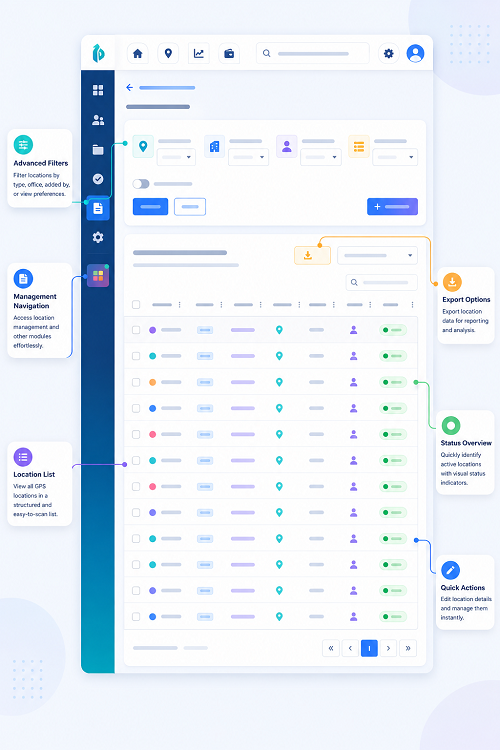
1. Create a Centralised Doctor Scheduling Calendar
The first step is to maintain a single scheduling calendar for all clinic locations. Instead of managing each branch independently, clinic administrators should be able to view doctor availability across the entire network.
A centralised calendar should include:
- Doctor names, specialities, and assigned branches.
- Working days, consultation hours, and planned breaks.
- Available appointment slots and confirmed bookings.
- Leave, training, meetings, and other unavailable periods.
- Temporary schedule changes and approved shift swaps.
- Branch-specific staffing requirements.
For example, a clinic group operating in Dubai, Sharjah, and Abu Dhabi may have doctors who work at different locations on different days. A shared calendar allows authorised managers to identify available doctors without contacting every branch separately.
It also reduces the risk of two reception teams booking the same doctor for overlapping appointments.
2. Match Doctors to Branch Demand
Not every clinic experiences the same patient demand. A branch in a residential area may receive more family medicine appointments during evenings, while another location may require additional specialist consultations on selected days.
Clinic managers should analyse appointment history, patient footfall, waiting times, and seasonal trends before preparing schedules.
Useful factors include:
- Number of appointments by speciality and time of day.
- Peak hours, weekends, and public holiday demand.
- Walk-in patient volumes.
- Average consultation duration.
- Doctor availability and preferred working patterns.
- Availability of supporting nurses, technicians, and consultation rooms.
For example, if a branch regularly receives a high volume of dermatology appointments on Saturdays, management could assign a qualified dermatologist during those hours rather than distributing specialist sessions evenly across all locations.
Scheduling should be based on actual demand and appropriate clinical coverage, not simply on the number of doctors available.
3. Verify Licensing and Branch Authorisation
Doctor scheduling must account for professional licensing and the permissions applicable to each healthcare facility.
The UAE has healthcare regulatory authorities with jurisdiction-specific requirements, including the Dubai Health Authority (DHA), Department of Health – Abu Dhabi (DOH), and Ministry of Health and Prevention (MOHAP), alongside other relevant authorities. The Unified Healthcare Professional Qualification Requirements provide a common framework for assessing healthcare professionals.
Before assigning a doctor to another branch, clinic administrators should verify:
- The doctor's active professional licence and speciality.
- Whether the receiving facility is appropriately licensed.
- Whether the doctor is authorised to practise at that specific facility.
- Any applicable part-time, visiting-doctor, or other practice permissions.
- The validity of required professional indemnity or malpractice insurance.
For example, a doctor who normally works at one Dubai clinic should not automatically be rostered at another facility simply because both belong to the same group. The relevant approvals and facility-specific requirements must be checked first. DHA rules expressly address authorisation to practise at healthcare facilities.
A scheduling system can flag missing or expiring documents, but management must still verify regulatory requirements before confirming an assignment.
4. Plan Travel Time Between Clinic Locations
When doctors work at multiple branches, travel time becomes an important scheduling consideration. Booking consultations too close together at geographically distant locations can lead to delays and rushed handovers.
Clinic managers should:
- Group appointments by location wherever practical.
- Assign sufficient travel time between branches.
- Avoid back-to-back consultations at distant facilities.
- Consider traffic patterns and parking arrangements.
- Communicate branch changes to doctors and reception teams in advance.
- Maintain contingency plans for unexpected travel delays.
For example, if a doctor finishes a morning session in central Dubai and is scheduled to work at a clinic in another emirate in the afternoon, the roster should account for realistic travel time rather than assuming an immediate transition.
Travel buffers should be customised to the locations involved and reviewed when traffic or clinic operating hours change.
5. Standardise Appointment Durations and Booking Rules
Different consultations require different amounts of time. A routine follow-up may be shorter than an initial specialist consultation, a diagnostic procedure, or a complex case review.
Clinics should establish standard appointment durations for each consultation type while allowing authorised staff to adjust them when clinically appropriate.
A scheduling policy should define:
- Standard consultation lengths by speciality.
- Buffer periods between selected appointments.
- Rules for urgent and same-day appointments.
- Walk-in patient handling.
- Cancellation and rescheduling procedures.
- Overbooking permissions, if permitted by clinic policy.
- Procedures for late arrivals and missed appointments.
A central booking platform can display only the appointment slots appropriate for each doctor and consultation type. This helps reception staff book patients accurately without needing to know every detail of the doctor's timetable.
The objective is to improve appointment utilisation without compromising consultation quality or patient safety.
6. Coordinate Doctor Schedules With Supporting Staff
A doctor may be available, but a consultation cannot always proceed if the required nurse, technician, equipment, or consultation room is unavailable.
Scheduling should therefore account for the complete service requirement rather than the doctor's calendar alone.
Clinic managers should coordinate doctor rosters with:
- Nursing and clinical support coverage.
- Diagnostic and laboratory services.
- Treatment rooms and specialist equipment.
- Reception and patient registration teams.
- Pharmacy or other supporting services, where relevant.
- Emergency coverage and escalation procedures.
For example, scheduling several doctors for a diagnostic service during the same hour may create a bottleneck if only one suitable room or technician is available.
Integrated workforce and appointment planning helps clinics distribute workloads and reduce avoidable waiting times.
7. Manage Leave, Absences, and Last-Minute Changes
Unexpected absences can disrupt patient appointments across multiple locations. Clinics need a defined process for reporting absences, finding suitable replacements, and notifying affected patients.
A practical process includes the following steps:
- Record approved leave and planned unavailability in the shared calendar.
- Identify appointments and branches affected by a sudden absence.
- Search for an appropriately qualified and authorised replacement.
- Check the replacement doctor's availability, travel time, and supporting staff requirements.
- Obtain the necessary approval before changing the roster.
- Update the appointment system and notify reception teams.
- Contact affected patients and offer suitable alternatives.
- Record the change and its reason for future review.
Automated notifications can help managers respond quickly, but replacement assignments should never bypass professional licensing or facility authorisation checks.
A documented process also makes it easier to distinguish approved schedule changes from unplanned attendance issues.
8. Track Doctor Attendance and Actual Working Hours
Planned schedules do not always reflect actual attendance. A doctor may arrive late, leave early, attend an additional session, or work at a different branch than originally planned.
Clinics should record actual attendance against approved schedules to maintain reliable workforce records.
An attendance management system can help track:
- Clock-in and clock-out times.
- Branch-specific attendance.
- Late arrivals and early departures.
- Approved overtime or additional sessions.
- Shift swaps and schedule amendments.
- Leave and absence records.
- Differences between scheduled and actual working hours.
For mobile or multi-branch doctors, the attendance process should identify the correct clinic and support authorised check-ins at different locations. Any location-tracking features should be proportionate to operational needs and comply with applicable privacy requirements.
Attendance records can also support payroll calculations and help managers investigate recurring scheduling problems. However, payroll rules and overtime eligibility should be assessed under the applicable employment arrangements and UAE labour requirements.
The UAE Government's employment guidance explains the general private-sector working-hours and overtime framework. Specific circumstances and exemptions should be checked before applying these rules to a healthcare workforce.
9. Use Scheduling Software to Automate Coordination
A suitable clinic scheduling system can replace disconnected calendars and manual coordination with a shared, more reliable workflow.
Important features include:
| Feature | Benefit for multi-location clinics |
|---|---|
| Centralised doctor calendar | Provides visibility into doctor availability across branches |
| Double-booking alerts | Helps prevent overlapping appointments and shifts |
| Branch-based scheduling | Shows where each doctor is assigned |
| Speciality and qualification filters | Helps staff identify suitable doctors for appointments |
| Leave management | Prevents bookings during approved leave |
| Attendance integration | Compares planned schedules with actual working hours |
| Patient notifications | Communicates confirmed appointments and schedule changes |
| Reporting dashboard | Highlights utilisation, cancellations, and staffing gaps |
| Approval workflows | Records authorised schedule changes and shift swaps |
| Payroll integration | Helps transfer verified attendance and approved additional hours into payroll processes |
When evaluating software, clinics should also consider access controls, audit trails, data backup, integration with their existing practice management or electronic medical record systems, and protection of patient information.
Scheduling software should support the clinic's clinical and operational workflows rather than forcing every branch to follow an unsuitable standard template.
10. Monitor Scheduling Performance Across Locations
Clinic managers should review scheduling performance regularly to identify problems before they affect patient experience or operating costs.
Useful performance indicators include:
- Doctor utilisation by branch and speciality.
- Appointment waiting time.
- Patient cancellations and missed appointments.
- Number of schedule changes made at short notice.
- Frequency of double-booking incidents.
- Uncovered doctor sessions.
- Average patient waiting time at the clinic.
- Overtime and additional-session hours.
- Difference between scheduled and actual attendance.
For example, a branch with consistently high waiting times but low doctor utilisation may have a booking or appointment-duration problem rather than a shortage of doctors. Another branch with frequent overtime may need additional evening coverage or a revised patient appointment mix.
Managers should interpret these indicators alongside patient outcomes, clinical complexity, and staff feedback. Maximising the number of appointments alone should not be the objective.
Example: Scheduling Doctors Across Three UAE Clinics
Consider a healthcare group operating three branches: Dubai, Sharjah, and Abu Dhabi. Two specialists work across the network, while general practitioners provide daily coverage at each clinic.
The operations manager could use a shared weekly calendar to allocate specialist sessions according to patient demand, reserve realistic travel buffers, and prevent overlapping bookings. Branch managers would enter approved leave and report absences through a common process.
If a specialist becomes unavailable, the system would identify affected appointments and potential alternatives. Before assigning a replacement, the operations team would verify the doctor's availability, speciality, and authorisation to practise at the receiving facility.
At the end of the week, management could compare appointment demand, waiting times, doctor attendance, and overtime across all three branches to improve the following week's roster.
This approach helps the clinic group make better use of available staff while maintaining appropriate clinical coverage.
Best Practices for UAE Clinics
To establish a reliable multi-location scheduling process, healthcare providers should follow these practices:
- Maintain one central source of truth for doctor schedules.
- Prepare rosters in advance and communicate changes promptly.
- Match doctor specialities and consultation durations to patient demand.
- Verify professional licensing and facility authorisation before assigning shifts.
- Include realistic travel time between branches.
- Coordinate doctors with nurses, equipment, rooms, and diagnostic services.
- Record actual attendance and preserve approval histories.
- Restrict access to patient and employee information according to job responsibilities.
- Review scheduling KPIs and staff feedback regularly.
- Keep a documented contingency plan for unexpected absences.
Frequently Asked Questions
1. How can UAE clinics manage doctor schedules across multiple branches?
Clinics can use a centralised scheduling system that displays doctor availability, assigned locations, appointment slots, leave, and schedule changes. Clear approval procedures help ensure that every branch works from the same information.
2. Can a doctor work at multiple clinics in the UAE?
A doctor may be able to work at multiple facilities, but this depends on the applicable regulatory requirements, professional licence, facility authorisation, and any required permits or approvals. Clinics should verify these requirements with the relevant health authority before confirming assignments.
3. How can clinics prevent double-booking doctors?
A shared calendar with real-time availability, automatic conflict alerts, and controlled booking permissions can reduce double bookings. Travel time and consultation duration should also be included when determining available slots.
4. How should clinics handle an unexpected doctor absence?
Managers should identify affected appointments, check for an appropriately qualified and authorised replacement, update the schedule, and notify patients promptly. If a suitable replacement is unavailable, the clinic should offer rescheduling or another appropriate option.
5. How does attendance software help multi-location clinics?
Attendance software records actual working hours, branch check-ins, absences, and schedule changes. When integrated with scheduling and payroll systems, it can help managers identify staffing gaps and maintain more consistent attendance records.
6. What should clinics look for in doctor scheduling software?
Important features include multi-branch calendars, speciality-based booking, conflict alerts, leave management, attendance integration, patient notifications, reporting, approval workflows, and appropriate data security controls.
Conclusion
Scheduling doctors across multiple locations requires more than maintaining a calendar. UAE clinics need to coordinate patient demand, professional authorisations, travel time, supporting staff, attendance, and unexpected changes across their entire network.
A centralised scheduling process supported by suitable software can reduce double bookings, improve staff utilisation, make patient appointments more predictable, and provide managers with clearer operational information.
By combining accurate scheduling data with clear policies and regular performance reviews, healthcare providers can build a more efficient multi-location operation without compromising clinical standards or regulatory compliance.
When doctors work across clinics, InnBuilt Shift Management can show UAE administrators location-specific assignments and availability, helping them identify coverage gaps before appointments begin.