10 Benefits of Using Shift Management Software
10 Benefits of Using Shift Management Software
Managing employee shifts can be challenging for businesses with multiple departments, locations, rotating schedules, night shifts, and changing workforce requirements. Using spreadsheets, registers, or manual scheduling methods can consume significant HR time and may lead to scheduling conflicts and attendance errors.
Shift management software helps businesses automate employee scheduling, manage shifts, track attendance, and monitor working hours from a centralized system.
Here are 10 key benefits of using shift management software for modern businesses.
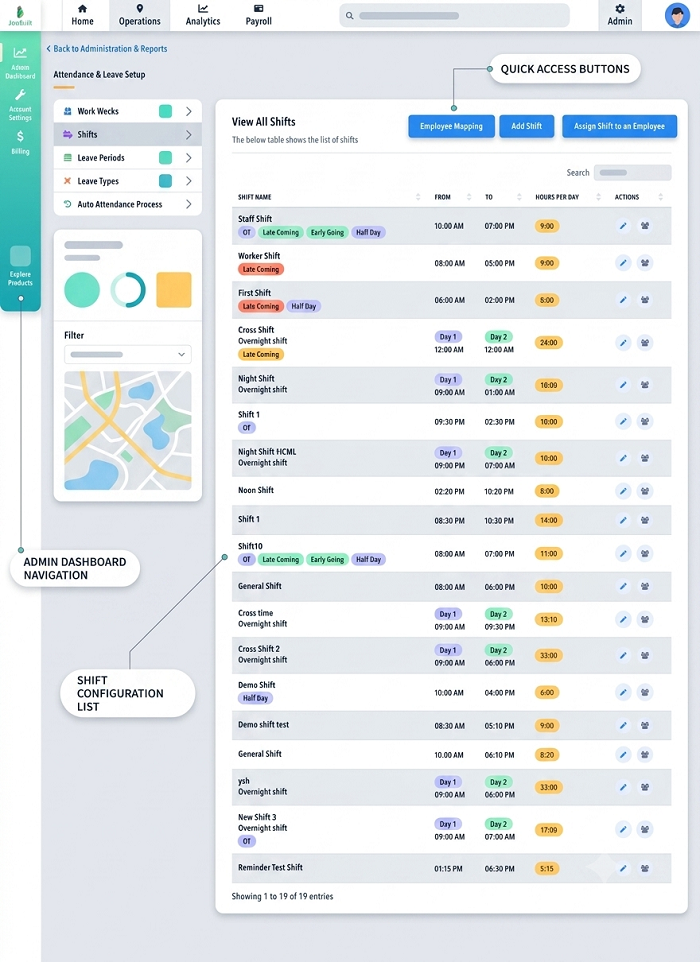
1. Simplifies Employee Shift Scheduling
Creating employee schedules manually can take considerable time, especially when a business has hundreds of employees or operates multiple shifts.
Shift management software allows HR teams and managers to create and assign shifts digitally. Employees can be assigned based on their roles, departments, availability, and business requirements.
This makes it easier to prepare daily, weekly, or monthly schedules.
2. Reduces Scheduling Errors
Manual scheduling can result in employees being assigned to incorrect shifts, overlapping schedules, or shifts with insufficient staffing.
Shift management software provides a centralized scheduling system where managers can view employee assignments and identify potential scheduling issues.
This helps reduce errors and keeps employee schedules organized.
3. Makes Shift Changes Easier
Business requirements can change frequently. An employee may need a different shift, or a manager may need to adjust the schedule because of workload or staffing requirements.
With shift management software, managers can update schedules quickly and communicate changes to employees.
Employees can also submit shift-change requests where the system supports employee self-service workflows.
4. Supports Rotational and Multiple Shifts
Many organizations operate morning, evening, and night shifts. Some businesses also use rotational schedules where employees move between shifts.
Shift management software allows businesses to create different shift types and assign employees according to predefined schedules.
This is particularly useful for:
- Manufacturing companies
- Hospitals
- Security agencies
- Retail businesses
- Restaurants
- Logistics companies
- 24/7 service organizations
5. Improves Employee Attendance Management
Shift schedules provide the basis for comparing an employee's expected working hours with actual attendance.
When shift management is integrated with attendance software, businesses can identify issues such as:
- Late arrivals
- Early departures
- Absences
- Missed punches
- Overtime
- Shift deviations
This provides HR teams with better visibility into employee attendance.
6. Helps Manage Overtime
Employees sometimes work beyond their scheduled shift. Tracking these additional hours manually can be difficult and may lead to incorrect calculations.
Shift management software can help compare scheduled working hours with actual attendance records. Approved overtime information can then be used during payroll processing, according to company policies.
This creates a more structured approach to overtime management.
7. Saves HR and Managerial Time
Preparing schedules, updating spreadsheets, responding to shift requests, and communicating schedule changes can consume significant administrative time.
Automation reduces repetitive tasks and allows HR teams and managers to spend more time on important workforce activities.
A centralized system also eliminates the need to maintain multiple versions of shift schedules.
8. Improves Employee Communication
Employees need clear information about when and where they are expected to work.
A shift management system can provide employees with access to their schedules through an employee portal or mobile application.
Depending on the software, employees may receive notifications about:
- Upcoming shifts
- Shift changes
- Shift assignments
- Shift approvals
- Schedule updates
- Leave and attendance information
This can reduce confusion and improve communication between employees and managers.
9. Supports Accurate Payroll Processing
Shift schedules can affect attendance, working hours, overtime, and other payroll-related calculations.
When shift management is integrated with attendance and payroll software, HR and payroll teams can use centralized and updated information when processing salaries.
For example, the system can help identify whether an employee worked the assigned shift and whether additional hours were recorded.
This can reduce manual data entry and help minimize payroll errors.
10. Provides Better Workforce Visibility
Shift management software gives managers a centralized view of employee schedules and staffing requirements.
Managers can quickly identify:
- Who is working
- Which shift an employee is assigned to
- Staffing gaps
- Upcoming shifts
- Shift changes
- Employee availability
- Overtime requirements
This information helps businesses make better workforce planning decisions.
Additional Benefits of Shift Management Software
In addition to the ten primary benefits, automated shift management can also help businesses:
- Manage employees across multiple locations
- Maintain digital shift records
- Create recurring shift schedules
- Manage employee shift swaps
- Integrate leave and attendance data
- Generate workforce reports
- Improve employee self-service
- Reduce dependency on spreadsheets
- Standardize scheduling processes
Shift Management Software for Different Businesses
Different industries have different scheduling requirements. Shift management software can be adapted to various business environments.
Manufacturing
Manufacturing companies can manage production shifts, rotational schedules, and employee attendance.
Healthcare
Hospitals and healthcare organizations can schedule doctors, nurses, technicians, and support staff across different shifts.
Retail
Retail businesses can organize employee schedules according to store hours, weekends, holidays, and peak customer periods.
Hospitality
Hotels and restaurants can manage different teams across morning, afternoon, evening, and night shifts.
Security
Security agencies can assign guards to different client locations and manage day and night shifts.
Logistics
Logistics and delivery companies can organize employees according to routes, locations, and operational schedules.
Shift Management Software and Employee Mobile Apps
Modern shift management solutions can provide employees with mobile access to their schedules.
Through a mobile app, employees may be able to:
- View upcoming shifts
- Check attendance
- Request shift changes
- Request shift swaps
- Apply for leave
- Receive notifications
- View working hours
This gives employees greater visibility and reduces the need for HR teams to communicate every schedule update manually.
How to Choose Shift Management Software
Before selecting a solution, businesses should consider their workforce size, scheduling complexity, and existing HR systems.
Important features to evaluate include:
- Easy shift scheduling
- Rotational shift support
- Attendance integration
- Employee mobile app
- Shift-change workflows
- Shift-swap functionality
- Overtime tracking
- Leave management
- Multi-location support
- Payroll integration
- Reports and analytics
- Data security
The right solution should be easy for both managers and employees to use and should fit the organization's existing attendance and payroll processes.
Conclusion
Shift management software can simplify employee scheduling and help businesses manage shifts, attendance, working hours, and workforce requirements more efficiently.
From reducing scheduling errors and managing rotational shifts to improving attendance visibility and supporting payroll processing, automation can provide significant benefits for organizations with shift-based employees.
For businesses that still rely on spreadsheets or manual registers, moving to a centralized shift management, attendance, and payroll system can be an important step toward more efficient workforce management.
Using InnBuilt Shift Management Software improves coverage, reduces conflicts, controls overtime, increases employee visibility, and removes repetitive roster administration.