How Can Malaysia Manufacturers Track Operator Attendance by Production Line?
How Can Malaysia Manufacturers Track Operator Attendance by Production Line?
Introduction
Manufacturing operations depend on having the right number of employees available at the right production line and workstation. When operators arrive late, move between departments, take unscheduled breaks, or work overtime, production schedules can be affected. Inaccurate attendance records can also create problems for shift planning, payroll processing, labour cost monitoring, and productivity reporting.
For manufacturers in Malaysia, tracking operator attendance by production line provides better visibility into workforce availability. Instead of recording only when employees enter and leave the factory, businesses can monitor which production line an operator is assigned to, when the operator starts work, and whether a shift change or workstation transfer has been properly recorded.
Digital attendance systems, employee ID cards, biometric devices, mobile check-ins, and integrated workforce management software can help manufacturers maintain these records. The objective is not simply to monitor employees but to ensure that attendance information accurately reflects workforce deployment.
1. Create a Separate Attendance Structure for Each Production Line
Manufacturers should begin by organising their attendance system around the factory's production structure. A facility may have several lines, such as assembly, packaging, machining, quality inspection, and finishing. Each line may also contain multiple workstations and different shift schedules.
The attendance system should allow HR and production managers to identify the production line and workstation associated with each operator.
For example:
| Production line | Workstation | Assigned employees |
|---|---|---|
| Line A – Assembly | Component fitting | Operator A1, A2 |
| Line B – Packaging | Packing and labelling | Operator B1, B2 |
| Line C – Machining | Machine operation | Operator C1, C2 |
| Line D – Quality control | Product inspection | Operator D1, D2 |
This structure helps managers distinguish between employees who are present at the factory and employees who are assigned to a particular production area.
2. Assign Operators to Production Lines Before Each Shift
A reliable attendance process starts with an accurate employee assignment list. Before a shift begins, supervisors or production planners should confirm which operators are scheduled for each production line.
The assignment should include:
- Employee name or identification number.
- Department and production line.
- Workstation or machine assignment, where applicable.
- Shift start and end times.
- Supervisor responsible for the line.
- Planned break periods.
- Temporary assignment or training details.
When an employee is moved from one production line to another, the assignment should be updated. This prevents attendance reports from showing an operator under an outdated department or workstation.
Manufacturers can use workforce management software to prepare these assignments in advance and share them with supervisors.
3. Use Employee ID Cards or Biometric Attendance Devices
Digital attendance devices can help manufacturers record operator check-ins and check-outs more consistently.
Common options include:
Employee ID card systems: Operators tap or scan their cards at designated attendance terminals. The system records the employee ID, timestamp, and terminal location.
Fingerprint attendance devices: Employees verify their identity using fingerprint recognition. These devices may be suitable for controlled factory entrances or selected production areas.
Facial recognition attendance: A facial recognition terminal can verify an employee's identity and record the attendance event. Manufacturers considering this option should assess privacy, security, accuracy, and legal requirements before implementation.
Mobile attendance applications: Employees or authorised supervisors can use mobile applications to record attendance where the factory environment and operational requirements permit it.
The chosen method should suit the factory's layout, hygiene requirements, safety procedures, network availability, and employee working conditions.
4. Install Attendance Terminals at Suitable Production Locations
A single attendance terminal at the main factory entrance may confirm that an employee entered the premises, but it may not show which production line the employee joined.
Manufacturers can improve visibility by placing attendance terminals at selected locations, such as:
- Main factory entrances.
- Production department entrances.
- Designated line-entry points.
- Controlled areas where operators begin their shifts.
- Specific work zones where separate attendance confirmation is operationally necessary.
For example, an operator may record entry at the factory gate and then confirm assignment at Line A. The system can maintain both events without treating them as interchangeable.
Manufacturers should avoid installing too many devices without a clear operational purpose. Excessive check-in requirements can create queues, delay production starts, and frustrate employees.
5. Record Line Transfers and Temporary Operator Assignments
Production requirements can change throughout a shift. A machine breakdown, urgent order, employee absence, or workload increase may require a supervisor to move an operator to another production line.
If the attendance system records only the original assignment, workforce reports may become inaccurate.
A line-transfer process should capture:
- Employee identification.
- Original production line.
- New production line.
- Transfer date and time.
- Reason for the transfer.
- Approving supervisor.
- Expected duration, if known.
For example, an operator scheduled for Line A may be moved to Line C at 11:00 AM to support an urgent production requirement. The system should retain the original assignment and record the new assignment with its effective time.
This creates a clear history of workforce deployment and helps managers understand how employees were distributed across production activities.
6. Monitor Attendance Across Different Shifts
Many Malaysian manufacturing facilities operate morning, evening, and night shifts. Some factories also use rotating schedules to maintain continuous production.
Attendance software should support different shift patterns and identify which production line each employee is expected to support.
A sample shift arrangement may look like this:
| Shift | Working hours | Production line | Attendance requirement |
|---|---|---|---|
| Morning | 7:00 AM–3:00 PM | Line A | Record shift start and end |
| Evening | 3:00 PM–11:00 PM | Line B | Record shift start and end |
| Night | 11:00 PM–7:00 AM | Line C | Record overnight attendance |
The system must handle shifts that cross midnight correctly. For example, a night-shift operator who starts at 11:00 PM on Monday and finishes at 7:00 AM on Tuesday should be associated with the correct scheduled shift rather than being incorrectly treated as two unrelated attendance records.
Manufacturers should also configure grace periods, approved breaks, overtime rules, and shift changes according to their policies and applicable employment requirements.
7. Compare Scheduled Operators With Actual Attendance
Production managers need to know whether the planned workforce is available at the beginning of each shift.
An attendance dashboard can compare the number of scheduled operators with the number of employees who have recorded attendance.
For example:
| Production line | Scheduled operators | Present operators | Attendance gap |
|---|---|---|---|
| Line A | 15 | 14 | 1 |
| Line B | 12 | 12 | 0 |
| Line C | 18 | 16 | 2 |
| Line D | 10 | 9 | 1 |
This information helps supervisors identify staffing shortages before they affect production targets.
However, an attendance gap should trigger verification rather than an automatic conclusion that an employee is absent. The employee may have checked in at another terminal, received an approved transfer, or experienced a device or network issue.
8. Set Up Alerts for Late Arrivals and Unrecorded Attendance
Automated alerts can help supervisors respond to attendance exceptions quickly.
Manufacturers may configure notifications for situations such as:
- An operator has not checked in by the scheduled start time.
- A production line has fewer operators than planned.
- An employee records attendance at an unexpected location.
- A shift ends without a recorded check-out.
- A temporary line transfer has not received approval.
- An employee's attendance record contains duplicate or conflicting events.
For example, if Line B requires 12 operators but only 10 have checked in, the supervisor can receive an alert and investigate the shortage.
Alerts should be based on configured schedules and verified records. They should not automatically trigger disciplinary action or payroll deductions without appropriate review.
9. Integrate Attendance Data With Production Planning
Attendance information becomes more useful when it is connected to production planning and workforce allocation systems.
Manufacturers can use verified attendance records to understand how many operators were available for each production line during a shift. Production planners can then compare workforce availability with planned output and operational requirements.
Useful information includes:
- Planned operator headcount.
- Actual attendance by line.
- Approved line transfers.
- Shift coverage.
- Overtime hours.
- Unfilled operator positions.
- Attendance-related production delays.
For example, if a packaging line regularly operates below its planned headcount during the night shift, managers can review shift allocation, recruitment requirements, cross-training, or scheduling arrangements.
Attendance data alone does not establish employee productivity. Output, product quality, machine downtime, material availability, and other operational factors should be considered separately.
10. Maintain Accurate Break and Overtime Records
Production-line attendance should distinguish between normal working time, scheduled breaks, approved overtime, and other periods when employees are not performing their usual production duties.
Manufacturers should configure their systems to record:
- Shift start and end times.
- Meal and rest breaks.
- Approved additional working hours.
- Work performed on rest days or public holidays.
- Early departures and authorised absences.
- Supervisor-approved schedule changes.
For example, an operator scheduled to finish at 3:00 PM may be authorised to continue until 5:00 PM because of an urgent production order. The system should retain the scheduled end time and separately record the approved overtime period.
This distinction helps payroll teams verify working hours and apply the correct payment rules.
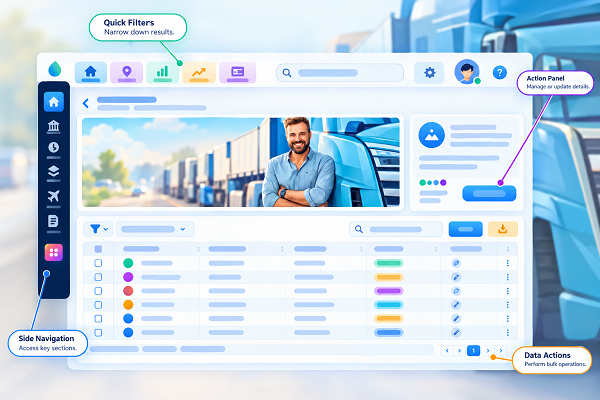
11. Provide Supervisors With Production-Line Attendance Dashboards
Supervisors need quick access to attendance information for the production areas they manage. A dashboard can show current staffing levels, missing check-ins, shift coverage, and pending exceptions.
A useful dashboard may include:
| Dashboard metric | Purpose |
|---|---|
| Scheduled headcount | Shows planned staffing for each line |
| Present headcount | Shows recorded attendance |
| Late arrivals | Identifies attendance exceptions |
| Missing check-ins | Highlights records requiring verification |
| Line transfers | Displays employee movement |
| Approved overtime | Supports shift and payroll review |
| Pending corrections | Shows unresolved attendance issues |
Access should be role-based. A line supervisor may need to see attendance for their own production area, while HR administrators may require access to broader factory records.
12. Protect Employee Personal Data and Biometric Information
Attendance tracking involves employee information, including identification details, timestamps, shift assignments, and potentially biometric data.
Malaysia's Personal Data Protection Act 2010 (PDPA), as amended by the Personal Data Protection (Amendment) Act 2024, is relevant to personal data processing in commercial transactions. Manufacturers should assess their obligations before introducing digital or biometric attendance systems.
Important safeguards include:
- Inform employees about what attendance information is collected and why.
- Collect only the information needed for attendance and workforce administration.
- Restrict access to authorised HR personnel and supervisors.
- Protect attendance records through suitable security controls.
- Establish appropriate retention and deletion procedures.
- Review the security and data-handling practices of attendance software providers.
- Assess cross-border data transfers where employee information is hosted or processed outside Malaysia.
- Provide a process for employees to raise questions or dispute inaccurate records.
Biometric data receives specific treatment under Malaysia's amended data protection framework. Employers should carefully assess the applicable requirements before collecting or using facial or fingerprint information.
Manufacturers should also consider whether a less intrusive attendance method can meet the same operational objective.
13. Establish a Process for Attendance Corrections and Disputes
Even a well-designed attendance system can produce incomplete or incorrect records. Employees may forget to check in, use the wrong terminal, or be moved to another line without an immediate system update.
A clear correction process helps maintain accurate records and employee confidence.
A practical workflow is:
- The employee reports the missing or incorrect attendance event.
- The supervisor checks the shift schedule and production-line assignment.
- Supporting information is reviewed, such as access logs or approved transfer records.
- HR or an authorised manager approves the correction.
- The system records the reason, approver, and date of the change.
- The corrected record is made available for payroll processing.
Manufacturers should preserve an audit trail rather than silently overwriting original attendance entries. Employees should have a reasonable opportunity to explain discrepancies before the records are used for disciplinary or payroll decisions.
14. Generate Production-Line Attendance Reports for Management
Regular reports help manufacturing managers identify workforce patterns and improve scheduling decisions.
Useful reports include:
- Daily attendance by production line.
- Weekly and monthly attendance summaries.
- Late-arrival and early-departure reports.
- Shift-wise staffing comparisons.
- Temporary operator transfer reports.
- Overtime summaries by department.
- Absence trends by production area.
- Attendance correction and exception reports.
For example, a monthly report may show that Line A regularly experiences attendance shortages on Monday mornings. Managers can investigate whether the issue relates to shift scheduling, transport arrangements, leave planning, or other operational factors.
Reports should be interpreted in context. A high number of attendance exceptions does not necessarily indicate poor employee conduct; it may also reveal scheduling or system-design problems.
15. Choose Attendance Software That Supports Manufacturing Operations
Not every attendance platform is suitable for a factory with multiple production lines, shifts, and workstations.
Before selecting a solution, manufacturers should assess whether it supports:
- Multiple departments and production lines.
- Employee-level workstation assignments.
- Different shift patterns and overnight shifts.
- Employee ID, biometric, or mobile attendance options.
- Supervisor approvals for line transfers.
- Attendance exception alerts.
- Overtime and break records.
- Payroll integration.
- Production and workforce reports.
- Role-based access and audit trails.
- Data security, retention, and privacy controls.
The system should also be tested under actual factory conditions. Manufacturers should check device performance during shift changes, network interruptions, high employee traffic, and environments where gloves, protective equipment, or hygiene rules may affect biometric verification.
Best Practices for Malaysia Manufacturers
To make production-line attendance tracking effective, manufacturers should follow a consistent operating approach:
- Maintain updated employee assignments: Keep production-line, workstation, and shift information accurate.
- Use appropriate check-in points: Place attendance terminals where they support the actual factory workflow.
- Record employee transfers: Capture approved movements between production lines with timestamps.
- Review attendance exceptions: Investigate missing or conflicting records before making decisions.
- Separate attendance from productivity: Use production output and quality metrics as separate performance measures.
- Integrate with payroll: Transfer verified working hours and approved overtime to payroll systems.
- Train supervisors: Ensure line leaders understand attendance procedures and correction workflows.
- Protect employee information: Apply appropriate privacy, security, access, and retention controls.
- Audit attendance records: Review unusual patterns, repeated corrections, and device performance.
- Communicate policies clearly: Explain attendance procedures and how employees can report errors.
Conclusion
Malaysia manufacturers can track operator attendance by production line through a combination of employee assignment records, digital attendance devices, shift scheduling, supervisor approvals, and workforce management software. By recording where operators are assigned, when they start and finish work, and when they move between production areas, businesses can improve staffing visibility and maintain more reliable attendance records.
A well-designed system also helps supervisors identify staffing gaps, manage shift changes, verify overtime, and provide accurate information to payroll teams. However, successful implementation requires more than installing biometric devices or attendance terminals. Manufacturers should establish clear procedures, protect employee information, and provide a fair process for correcting disputed records.
When attendance tracking is connected to production planning and payroll workflows, manufacturers can make better workforce decisions while supporting transparent and efficient factory operations.
Line supervisors need to know whether the operators assigned to each production area have checked in. InnBuilt Attendance Software can help Malaysia manufacturers compare line rosters with shift records.