How to Schedule Field Teams During Saudi Arabia’s Midday Outdoor Work Ban
How to Schedule Field Teams During Saudi Arabia’s Midday Outdoor Work Ban
Managing field teams in Saudi Arabia requires careful workforce planning during the summer months because of the midday outdoor work ban. The Ministry of Human Resources and Social Development (MHRSD) applies the ban to outdoor work under direct sunlight from 12:00 p.m. to 3:00 p.m., with the 2026 implementation running from 15 June to 15 September 2026. Employers are required to organize working hours accordingly and take appropriate measures to protect employees from heat-related risks.
For companies managing construction workers, delivery teams, maintenance technicians, sales representatives, utility workers, and other mobile employees, an effective scheduling strategy can maintain productivity while protecting employees and supporting compliance.
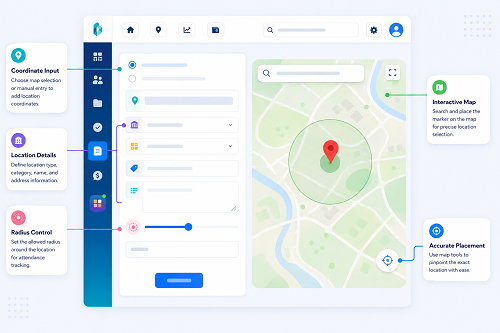
1. Plan Field Activities Before 12:00 p.m.
The simplest approach is to schedule outdoor activities during cooler periods of the day.
For example, a field team could work from 6:00 a.m. to 12:00 p.m., take the required break or move to an appropriate indoor or shaded location during the restricted period, and resume suitable activities after 3:00 p.m.
Managers should prioritize:
- Outdoor inspections
- Construction activities
- Equipment installation
- Site visits
- Deliveries and collections
- Maintenance work
- Field sales visits
- Outdoor customer service
for periods outside the restricted hours.
2. Use Split Shifts for Field Employees
A split-shift model can help businesses maintain service coverage without requiring employees to perform outdoor work during prohibited hours.
For example:
Morning shift: 6:00 a.m. – 12:00 p.m.
Midday period: 12:00 p.m. – 3:00 p.m.
Afternoon shift: 3:00 p.m. – 7:00 p.m.
The exact schedule should be adapted to the employee's contractual working hours, operational requirements, applicable labor rules, and the nature of the work.
3. Move Indoor Activities Into the Midday Period
The 12:00 p.m.–3:00 p.m. period can be used productively by assigning field employees to suitable indoor activities.
Examples include:
- Completing service reports
- Updating customer records
- Reviewing work orders
- Equipment checks in appropriate facilities
- Training and safety briefings
- Inventory administration
- Route planning
- Digital documentation
- Team meetings
This allows companies to reduce lost productivity while avoiding direct outdoor exposure.
4. Use Location-Based Scheduling
Companies with teams operating across Riyadh, Jeddah, Dammam, Makkah, Madinah, and other Saudi Arabia locations should avoid using one rigid schedule for every employee.
A workforce management system can organize employees according to:
- Worksite
- Geographic location
- Shift
- Job type
- Customer appointment
- Expected travel time
- Outdoor/indoor activity
- Team availability
Managers can then identify which assignments must be completed before noon and which can safely be scheduled after 3:00 p.m.
5. Create Heat-Sensitive Routes
For mobile teams, scheduling should consider the sequence of customer visits rather than simply assigning appointments based on availability.
For example, a service company could schedule:
6:30 a.m. – 8:30 a.m.: Outdoor service calls
8:30 a.m. – 11:30 a.m.: Additional outdoor jobs
11:30 a.m. – 12:00 p.m.: Return to a suitable location
12:00 p.m. – 3:00 p.m.: Indoor work, rest and administrative activities
3:00 p.m. onward: Resume outdoor assignments
Route planning can reduce unnecessary travel and help prevent employees from being stranded at outdoor locations during restricted hours.
6. Build Attendance Rules Around the Schedule
Attendance software should reflect the organization's approved shifts rather than treating the midday period as ordinary outdoor working time.
Useful features include:
- Shift-based attendance
- Mobile clock-in and clock-out
- GPS-based attendance
- Geofencing
- Break tracking
- Overtime calculation
- Schedule notifications
- Late-arrival alerts
- Location-based assignment tracking
Managers can use attendance data to identify whether employees are following assigned schedules and whether field operations need adjustment.
7. Provide Water, Shade and Rest Facilities
Scheduling alone is not enough. MHRSD specifically calls on employers to provide drinking water, suitable rest areas, shaded areas and personal protective equipment, while also educating employees about heat-stress risks and monitoring workers' physical condition during periods of high temperatures.
Employers should therefore make sure field teams have access to:
- Drinking water
- Suitable shaded areas
- Rest facilities
- Appropriate PPE
- Heat-stress awareness information
- Emergency procedures
8. Monitor Employee Conditions
Supervisors should not rely only on attendance records. They should monitor employees for signs of heat stress and provide appropriate intervention when required.
A field workforce application can support this process by allowing supervisors to:
- Check team locations
- Confirm assignment status
- Send schedule alerts
- Record incidents
- Communicate safety instructions
- Escalate emergencies
The Saudi Arabia authorities also emphasize the role of occupational safety and health personnel in checking workplace readiness and implementing preventive measures before field activities begin.
9. Maintain a Backup Workforce Plan
Field operations can be disrupted when an outdoor assignment takes longer than expected. Companies should therefore maintain backup arrangements.
For example, if a technician cannot complete a job before 12:00 p.m., the scheduler can:
- Stop the outdoor task.
- Move the employee to an appropriate safe location.
- Reschedule the remaining work after 3:00 p.m.
- Assign another available employee where operationally appropriate.
- Update the customer about the revised appointment.
- Record the schedule change.
This prevents managers from pressuring employees to continue outdoor work during the restricted period.
10. Automate Compliance Alerts
A workforce management system can provide automated reminders before the restricted period begins.
For example:
11:15 a.m. – Alert supervisor that outdoor assignments are approaching the restricted period.
11:30 a.m. – Notify employees to complete or safely stop outdoor activities.
12:00 p.m. – Prevent new outdoor assignments.
2:45 p.m. – Notify teams that afternoon scheduling can begin.
3:00 p.m. – Reactivate eligible outdoor assignments.
This creates a consistent scheduling process across multiple teams and locations.
11. Keep Scheduling and Safety Records
Employers should maintain records showing how field teams were scheduled and how safety requirements were implemented.
Useful records include:
- Employee schedules
- Attendance records
- Outdoor assignment records
- Shift changes
- Safety inspections
- Training records
- Heat-stress awareness sessions
- Incident reports
- Supervisor checklists
Maintaining these records can help organizations demonstrate that they have implemented appropriate workforce and occupational-safety processes.
12. Use a Workforce Management System
For organizations with large field teams, managing midday restrictions through spreadsheets and messaging applications can become difficult. Workforce management software can combine attendance, scheduling, GPS, shift management, leave, overtime and field assignments in one system.
Managers can create location-specific schedules, monitor attendance, send alerts and adjust assignments when conditions change.
Conclusion
Scheduling field teams around Saudi Arabia's midday outdoor work ban requires more than simply stopping outdoor work between noon and 3:00 p.m. Employers should redesign shifts, prioritize outdoor tasks during suitable hours, move administrative activities indoors, optimize routes, provide water and shaded rest areas, and continuously monitor employee safety.
For 2026, MHRSD's nationwide private-sector ban applies from 15 June through 15 September, 12:00 p.m. to 3:00 p.m. Building these requirements directly into attendance and workforce management processes can help businesses maintain productivity while protecting field employees and supporting regulatory compliance.
Outdoor operations can be reorganized around restricted midday hours using InnBuilt Field Management Software, allowing Saudi Arabia companies to adjust schedules, notify field employees, and maintain reliable project time records.