How Can UAE E-Commerce Fulfilment Centres Manage Seasonal Picker Shifts?
How Can UAE E-Commerce Fulfilment Centres Manage Seasonal Picker Shifts?
E-commerce fulfilment centres in the UAE experience major fluctuations in order volume during Ramadan, Eid, White Friday, Dubai Shopping Festival, and other promotional events. During these periods, warehouse teams must pick, pack, and dispatch more orders within shorter delivery windows. Managing seasonal picker shifts effectively becomes essential for maintaining fulfilment speed, controlling labour costs, and meeting customer expectations.
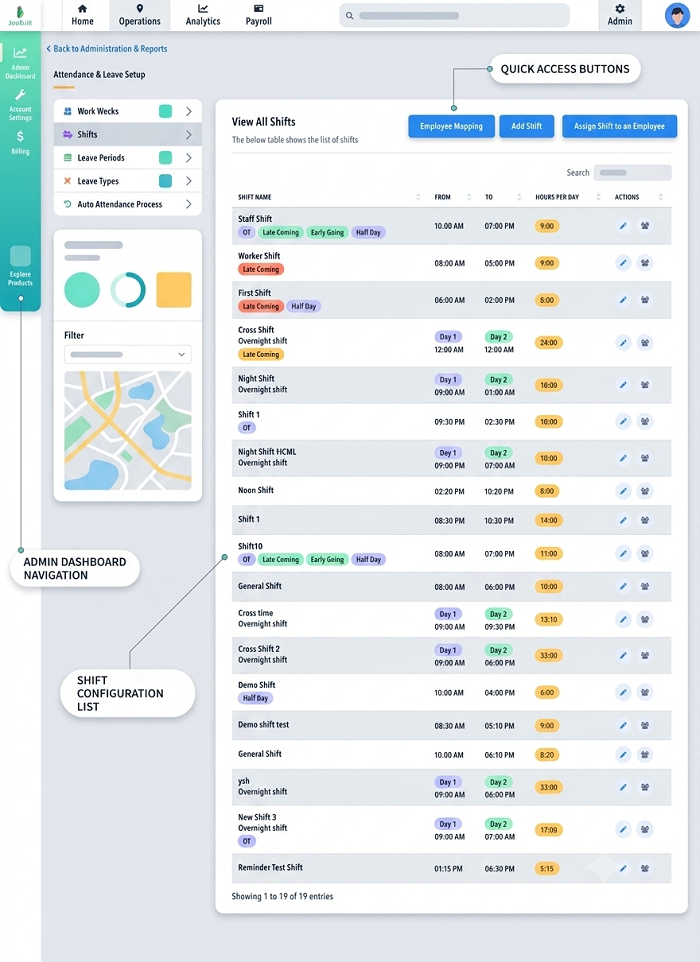
Traditional spreadsheets and manual attendance registers can make it difficult to coordinate temporary workers, manage shift changes, monitor attendance, and calculate working hours accurately. Attendance management and workforce scheduling software can help fulfilment centres coordinate seasonal staffing while maintaining operational visibility.
1. Forecast Seasonal Demand Before Creating Shifts
Seasonal scheduling should begin with historical data analysis. Reviewing past order volumes, peak picking hours, and order processing times helps managers estimate the number of pickers needed per shift.
- Analyse past peak events to identify traffic trends.
- Calculate picking throughput per hour to determine staffing requirements.
- Schedule extra coverage during high-volume hours to prevent dispatch delays.
2. Create Flexible Shifts for Temporary Pickers
Temporary pickers often work on varying schedules during peak seasons. Flexible shift patterns help managers adjust coverage based on daily order volumes.
- Use split or staggered shifts to cover demand spikes.
- Assign full-time and temporary workers to balanced shift teams.
- Publish shift schedules in advance so pickers can plan accordingly.
3. Track Attendance Accurately Across Every Shift
With high numbers of temporary workers entering and leaving the warehouse, tracking attendance is critical for operational control and payroll accuracy.
- Implement mobile or biometric clock-in systems to record start and end times.
- Monitor late arrivals and absenteeism in real time.
- Reduce manual data entry errors by integrating attendance tracking with workforce management software.
4. Match Picker Allocation to Warehouse Workloads
Not all warehouse zones experience the same order volume at the same time. Allocating pickers dynamically prevents bottlenecks in high-demand areas.
- Reassign pickers to high-priority zones during order spikes.
- Balance workloads between fast-moving and slow-moving inventory sections.
- Track picking speed and efficiency to optimize team distribution.
5. Manage Shift Swaps, Absences, and Replacement Workers
Last-minute absences and shift swap requests can disrupt operations during peak sales. Having a structured process ensures coverage remains stable.
- Allow pickers to request shift swaps through a central self-service app or portal.
- Maintain a roster of standby temporary workers for sudden shortages.
- Require manager approval for shift changes to maintain required skill levels per team.
6. Monitor Overtime and Control Seasonal Labour Costs
Overtime often increases during peak periods, driving up operational expenses. Monitoring working hours closely keeps labor costs within budget while complying with UAE labor laws.
- Set automated alerts for upcoming overtime thresholds.
- Distribute extra shifts fairly across eligible pickers.
- Track scheduled versus actual worked hours to identify budget variances.
7. Protect Employee Well-Being During Peak Periods
High order volumes and continuous picking shifts can lead to fatigue, lowering productivity and increasing error rates. Supporting worker well-being is vital for sustained operational output.
- Schedule adequate rest breaks between intensive shifts.
- Rotate physical tasks to prevent fatigue and repetitive stress injuries.
- Ensure compliance with UAE regulations regarding working hours and rest periods.
8. Use Seasonal Workforce Reports to Improve Planning
Post-event evaluation provides insights that help refine scheduling for the next peak season.
- Review attendance rates, overtime hours, and labor costs.
- Identify shifts that were overstaffed or understaffed.
- Use operational data to optimize future seasonal shift templates.
Frequently Asked Questions
1. Why is seasonal shift planning important for UAE fulfilment centres?
Seasonal shift planning ensures warehouses have enough coverage during sales spikes like Ramadan or White Friday without overspending on excess labor.
2. How can attendance software help manage temporary warehouse pickers?
Attendance software automates time tracking, reduces manual errors, monitors punctuality, and ensures payroll accuracy for seasonal workers.
3. How can fulfilment centres reduce overtime during peak sales?
By forecasting order volumes accurately, using staggered shift schedules, and dynamic picker allocation, managers can minimize the need for unexpected overtime.
4. Can workforce scheduling software support shift swaps?
Yes, many scheduling systems allow pickers to request and swap shifts digitally with manager approval, ensuring continuous floor coverage.
5. What should managers review after a seasonal sales event?
Managers should review attendance records, total overtime costs, fulfillment speed bottlenecks, and picker allocation accuracy to improve future workforce planning.
6. How does attendance management support payroll accuracy?
It captures exact clock-in and clock-out times, calculates total hours worked automatically, and prevents errors when processing wages for temporary staff.
7. What should UAE employers consider when scheduling seasonal shifts?
Employers must adhere to UAE labor regulations concerning maximum working hours, overtime compensation, mandatory rest periods, and special working hours during Ramadan.
Conclusion
Managing seasonal picker shifts requires proactive planning, flexible scheduling, and real-time attendance tracking. By matching staffing levels to order volume, streamlining shift management, and protecting worker well-being, UAE e-commerce fulfilment centres can maintain fast delivery speeds while keeping operational costs under control.
Seasonal demand can change picker requirements quickly. InnBuilt Shift Management can help UAE fulfilment centres plan temporary rosters and compare scheduled staff with actual arrivals.