How Can UAE Landscaping Firms Track Crews Moving Between Properties?
How Can UAE Landscaping Firms Track Crews Moving Between Properties?
Landscaping firms in the UAE often manage multiple crews working across villas, residential communities, commercial buildings, hotels, parks, and other outdoor properties. A single team may visit several locations in one shift to mow lawns, maintain irrigation systems, trim trees, care for plants, and complete scheduled garden maintenance.
Coordinating these moving crews can be challenging. Supervisors need to know whether employees have reached the assigned property, whether the work has started, how long each job takes, and whether the team is ready to move to the next location. Phone calls and manual attendance sheets can make this process time-consuming and difficult to verify.
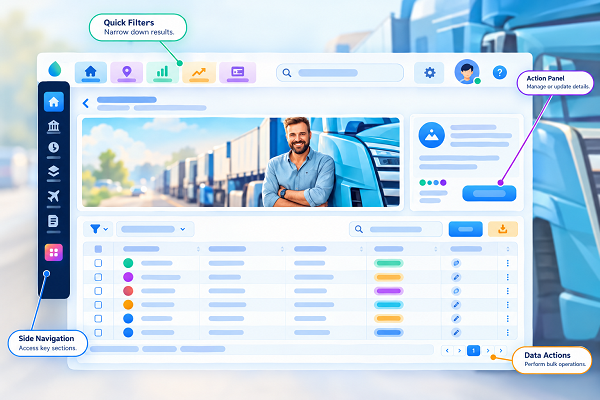
A digital workforce management system helps landscaping companies coordinate routes, record property-level attendance, monitor job progress, and connect field activity with timesheets and payroll.
Why Is Crew Tracking Important for UAE Landscaping Firms?
Landscaping businesses frequently operate with mobile teams rather than employees reporting to a single office throughout the day. Supervisors may coordinate several vehicles, equipment requirements, and property maintenance schedules at once.
Without a structured tracking process, companies may experience:
- Unverified property visits: Managers may struggle to confirm whether a crew reached its assigned site.
- Scheduling delays: Late arrivals at one property can affect the remaining jobs.
- Poor route coordination: Crews may travel unnecessarily between properties in different areas.
- Inaccurate work records: Attendance times may not match actual site activity.
- Incomplete maintenance tasks: Supervisors may not receive confirmation that the assigned work was finished.
- Payroll discrepancies: Recorded working hours may not align with approved schedules and timesheets.
- Customer disputes: Property managers may question whether a scheduled maintenance visit took place.
A reliable tracking process connects each crew to its assigned properties, scheduled work, and completion records.
1. Create a Digital Schedule for Every Property
The first step is to organise maintenance work into digital job assignments. Each assignment should identify the property, service address, scheduled time, responsible crew, required tasks, and any access instructions.
For example, a landscaping company may schedule a crew to maintain a residential community in Dubai in the morning, visit a commercial property in Sharjah later, and complete an irrigation inspection at another site in the afternoon.
Each property should have a separate work order, even when the same crew handles all three assignments.
A digital schedule helps dispatchers:
- Assign crews according to location and workload.
- Avoid overlapping appointments.
- Identify jobs requiring specialist equipment.
- Plan recurring lawn and garden maintenance.
- Reassign work when a team member is absent.
- Notify crews when property access or schedules change.
For recurring contracts, the system should also maintain the required visit frequency and highlight missed or overdue maintenance jobs.
2. Use GPS-Enabled Mobile Check-Ins at Each Property
GPS-enabled mobile attendance allows landscaping employees to record their arrival at an assigned property using a mobile application.
When a crew reaches the site, an authorised employee can open the work order and record the check-in. Depending on the software configuration, the system can capture the timestamp, employee or crew identity, assigned property, and location-verification status.
This provides supervisors with a more consistent record than a message stating that the team has arrived.
For accurate records, businesses should configure property locations carefully. Large villas, gated communities, parks, and commercial developments may cover substantial areas, so the permitted location radius should reflect the actual site layout and GPS accuracy.
GPS check-ins support visit verification, but they do not independently prove that all scheduled landscaping work was completed. They should be combined with task records and completion confirmation.
3. Use Geofencing to Verify Property-Level Attendance
Geofencing creates a virtual boundary around a designated work location. When employees check in, the system can compare their reported location with the property's configured boundary.
If a check-in occurs outside the expected area, the application can flag it for supervisor review.
This can help landscaping firms identify:
- Check-ins recorded away from the assigned property.
- Visits logged against the wrong work order.
- Repeated location-verification exceptions.
- Missing check-ins that require clarification.
- Potential discrepancies between scheduled and recorded visits.
Geofencing works best when property addresses and map coordinates are accurate. A check-in outside the boundary should not automatically be treated as misconduct. Poor GPS reception, an incorrect map pin, restricted entrances, or a large property layout may explain the exception.
A documented review and approval process helps maintain fair and reliable attendance records.
4. Track Crew Movement Between Properties
Tracking should cover the complete workday rather than just the first arrival. Landscaping supervisors need to understand when a crew finishes one property, moves to the next assignment, and arrives at the subsequent location.
A practical workflow can include:
- The crew checks in at the first property.
- The team records the start of the assigned maintenance tasks.
- The crew updates the work order when the tasks are complete.
- An authorised employee records departure or closes the property visit.
- The next assignment becomes available in the mobile schedule.
- The crew checks in at the next property and repeats the process.
A supervisor dashboard can show which property each crew is assigned to, which jobs are in progress, and which appointments are delayed or awaiting completion.
Where continuous location tracking is necessary, companies should define its purpose, access controls, and operating periods clearly. For many landscaping workflows, event-based check-ins and check-outs may provide sufficient visibility without collecting unnecessary location data throughout the day.
5. Optimise Routes Across Multiple Properties
Route planning is especially useful for landscaping firms serving clients across Dubai, Abu Dhabi, Sharjah, Ajman, and other locations in the UAE.
A poorly organised schedule can increase travel time, fuel costs, and the risk of missed appointments. Route planning tools can help dispatchers group nearby properties and allocate work according to crew availability, required equipment, and estimated task duration.
For example, a crew maintaining several nearby residential communities can complete those jobs in sequence before travelling to a more distant commercial property.
When planning routes, consider:
- Distance between properties.
- Appointment windows and customer access restrictions.
- Expected duration of each maintenance task.
- Vehicle and equipment requirements.
- Traffic conditions and parking arrangements.
- Emergency repairs and high-priority jobs.
- Crew skills and workload.
GPS records can show where check-ins occurred, while route planning helps determine the most practical sequence of visits. These functions work together but serve different purposes.
6. Record Job Progress and Property Maintenance Tasks
Knowing that a crew has arrived is only part of the process. Landscaping companies also need to verify the work performed at each property.
A digital work order can list the required tasks, such as:
- Lawn mowing and edging.
- Hedge trimming and pruning.
- Irrigation inspection and repairs.
- Planting and replacement of damaged plants.
- Fertilising and soil maintenance.
- Weed removal and garden cleaning.
- Inspection of outdoor equipment.
- Reporting damaged irrigation lines or other issues.
Crew members can update task status through the mobile application. Supervisors may require photos, notes, or a completion checklist for selected jobs.
For instance, a crew maintaining a villa garden could record the irrigation inspection, attach a photo of a reported leak, and mark the routine maintenance tasks as completed. The supervisor can then review the report without making an additional phone call.
Photo records should be collected only where appropriate, with care taken to avoid unnecessary images of residents, private areas, or personal information.
7. Manage Crew Delays, Absences, and Emergency Jobs
Landscaping schedules can change because of staff absences, equipment breakdowns, urgent irrigation repairs, customer requests, or restricted access to a property.
A workforce management system should allow supervisors to record these changes against the relevant assignment.
Useful features include:
- Alerts for late or missing check-ins.
- Absence and replacement crew management.
- Job reassignment with an approval history.
- Delay reasons and revised arrival times.
- Emergency job creation.
- Customer notification workflows.
- Follow-up scheduling for unfinished tasks.
Suppose a crew cannot access a property at the planned time. The supervisor can record the reason, reschedule the visit, and assign another available job instead of leaving the day's schedule unclear.
Maintaining an exception history helps businesses explain missed appointments, review recurring operational problems, and improve future scheduling.
8. Connect Property Visits With Attendance and Payroll
Landscaping firms often employ gardeners, irrigation technicians, drivers, supervisors, and maintenance workers. Their work schedules may involve different properties, shifts, and approved overtime arrangements.
An integrated system can connect employee attendance with assigned jobs and timesheets. Payroll teams can then compare recorded attendance, approved working hours, and authorised adjustments before processing salaries.
For example, if a crew starts its day at a designated reporting point and completes maintenance at four properties, the system can maintain separate job records while preserving the employee's overall attendance record.
It is important to distinguish travel between client properties from an employee's ordinary commute and to apply the appropriate employment and payroll rules to each situation. A GPS departure or arrival timestamp should not automatically determine whether a period is payable or unpaid.
The UAE Government's guidance on private-sector working hours and overtime provides a reference for reviewing relevant requirements. Employers should assess the rules applicable to their employees and employment arrangements.
9. Protect Employee Location and Customer Property Data
Crew tracking involves employee location information and may also generate records about private residences or commercial facilities. Landscaping companies should use tracking technology responsibly.
Good practices include:
- Explaining the purpose of location tracking to employees.
- Limiting collection to defined operational needs.
- Restricting access to authorised supervisors and administrators.
- Securing attendance, location, and job-completion records.
- Establishing suitable retention and deletion policies.
- Avoiding unnecessary tracking outside work-related activities.
- Handling customer photographs and property details carefully.
The UAE's Personal Data Protection Law establishes a framework for personal data processing, subject to its scope and applicable exceptions. Companies should review their specific obligations before deploying employee-tracking systems.
10. Choose Workforce Management Software for Mobile Landscaping Teams
A standard office attendance tool may not be sufficient for teams that move between multiple properties every day. Landscaping businesses should look for software that combines field attendance, scheduling, and job tracking.
Important capabilities include:
| Feature | Benefit for Landscaping Firms |
|---|---|
| GPS-enabled check-in | Records arrival and departure events at assigned properties. |
| Geofencing | Flags check-ins outside configured site boundaries. |
| Crew scheduling | Assigns employees and teams to daily maintenance jobs. |
| Route planning | Helps organise property visits efficiently. |
| Digital work orders | Lists the maintenance tasks required at each site. |
| Photo and task records | Supports review of completed work. |
| Exception alerts | Highlights delays, missing check-ins, and rescheduled jobs. |
| Timesheet integration | Connects attendance records with approved working hours. |
| Payroll integration | Reduces duplicate data entry and manual reconciliation. |
| Multi-location reporting | Provides visibility across branches, crews, and properties. |
Frequently Asked Questions
1. How can UAE landscaping companies track crews across multiple properties?
Companies can use GPS-enabled mobile check-ins, digital job assignments, property-level geofencing, and work-completion records. A central dashboard helps supervisors monitor crew assignments and identify delayed visits.
2. Can GPS attendance confirm that a landscaping crew completed its work?
GPS can help verify a recorded location and timestamp, but it cannot prove that every maintenance task was performed. Digital checklists, job updates, photographs where appropriate, and supervisor review provide additional evidence.
3. How does geofencing help landscaping businesses?
Geofencing compares recorded check-ins with a property's configured boundary. It can flag location discrepancies and help supervisors investigate visits recorded outside the expected area.
4. Can landscaping software help reduce travel time?
Route planning can group nearby properties, account for appointment windows, and allocate jobs according to crew availability. This can help reduce unnecessary journeys and improve schedule coordination.
5. Can crew tracking improve payroll accuracy?
Yes. Linking employee attendance with job assignments and approved timesheets helps payroll teams review working hours and exceptions more consistently. Payroll calculations should still follow applicable employment rules and company policies.
6. Is continuous GPS tracking necessary for landscaping crews?
Not always. Depending on operational requirements, scheduled check-ins, check-outs, and location verification at assigned properties may provide sufficient visibility. Companies should choose a proportionate approach and explain how employee location data is used.
Conclusion
UAE landscaping firms can manage mobile crews more effectively by combining digital scheduling, GPS-enabled attendance, geofencing, route planning, and property-level job records. These tools help supervisors verify site visits, identify delays, coordinate maintenance tasks, and maintain more accurate attendance and timesheet information.
For businesses handling recurring contracts across multiple properties, an integrated workforce management system provides a consistent view of crew assignments and completed work. By combining location verification with clear operating procedures, reliable job documentation, and appropriate data protection, landscaping companies can improve service coordination while maintaining accountability across their field teams.
Landscaping crews often serve several properties in a day. InnBuilt Employee Tracking App can help UAE supervisors review assigned site check-ins and time spent at each location.