How Can UAE Pharmacies Manage Pharmacist Shifts and Branch Coverage?
How Can UAE Pharmacies Manage Pharmacist Shifts and Branch Coverage?
Introduction
Managing pharmacist shifts across multiple branches can be challenging for pharmacy groups in the UAE. Different locations may have different opening hours, customer demand, prescription volumes, and staffing requirements. At the same time, pharmacy managers must coordinate leave, shift changes, attendance, and professional licensing requirements.
When schedules are maintained through spreadsheets, phone calls, or separate branch calendars, gaps in pharmacist coverage can go unnoticed. Employees may receive conflicting shift instructions, overtime may increase, and managers may struggle to identify which branches need additional support.
A centralised pharmacist scheduling system helps pharmacy groups coordinate rosters, monitor staff availability, manage last-minute absences, and maintain reliable attendance records. By combining workforce planning with clear approval procedures and suitable software, UAE pharmacies can improve branch coverage while supporting safe and consistent pharmacy operations.
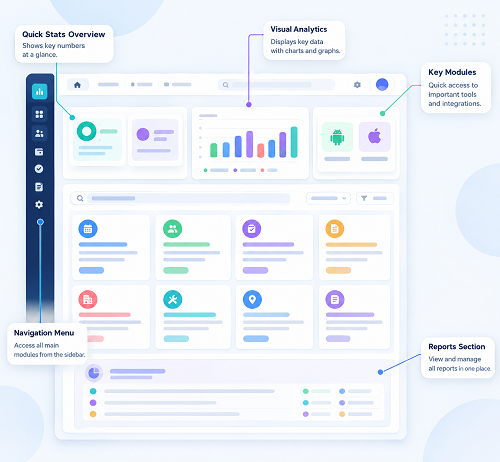
1. Create a Centralised Pharmacist Scheduling System
The first step is to maintain one shared scheduling calendar for all pharmacy branches. Instead of allowing every branch to manage its own roster independently, the head office should have visibility into pharmacist assignments across the network.
A centralised schedule should include:
- Pharmacist names and assigned branches.
- Planned shift start and end times.
- Branch opening hours and required coverage periods.
- Approved leave, weekly rest days, and training.
- Planned breaks and shift handovers.
- Pharmacist availability for temporary assignments.
- Pending shift swaps and schedule changes.
For example, a pharmacy group operating in Dubai, Sharjah, and Abu Dhabi may have pharmacists assigned to different branches throughout the week. A shared calendar allows managers to identify available staff and respond when one location experiences a staffing shortage.
It also reduces double bookings and ensures that pharmacists receive consistent, up-to-date shift information.
2. Match Pharmacist Coverage to Customer Demand
Pharmacy staffing requirements vary by location and time of day. A branch near a hospital may experience higher prescription demand during certain hours, while a residential pharmacy may receive more customers in the evening.
Managers should use historical sales, prescription volumes, customer footfall, and service requirements to determine staffing levels.
Important factors include:
- Peak and off-peak customer traffic.
- Prescription processing volumes.
- Weekend and public holiday demand.
- Seasonal demand fluctuations.
- Delivery, consultation, and other pharmacy services.
- Availability of experienced pharmacists and supporting staff.
For example, if a pharmacy consistently experiences long queues between 6 p.m. and 9 p.m., management could schedule additional coverage during that period instead of distributing pharmacist hours equally throughout the day.
The aim is to align staffing with actual demand while ensuring that professional responsibilities and service standards are maintained.
3. Verify Pharmacist Licensing and Branch Authorisation
Pharmacist scheduling must account for professional licensing and the requirements applicable to each pharmacy facility.
The UAE's Ministry of Health and Prevention (MOHAP) provides licensing services for pharmacists and pharmaceutical facilities. Other healthcare regulatory authorities, including the Dubai Health Authority (DHA) and Department of Health – Abu Dhabi (DOH), have jurisdiction-specific requirements.
Before assigning a pharmacist to another branch, pharmacy managers should verify:
- The pharmacist's professional licence is valid.
- The person's role and professional scope are appropriate.
- The receiving pharmacy has the necessary facility approvals.
- Any required transfer, appointment, or additional authorisation has been completed.
- Relevant professional documents and employment records are current.
For example, a pharmacist employed at one branch should not automatically be rostered at another simply because both locations belong to the same company. The applicable regulatory and facility requirements must be checked before the assignment is confirmed.
MOHAP provides official guidance on licensing pharmacists and licensing pharmaceutical facilities.
A workforce management system can flag expiring licences and missing documents, but management must verify the requirements that apply to each branch and regulatory jurisdiction.
4. Plan Shifts Around Pharmacy Opening Hours
Pharmacies may operate morning, evening, overnight, or extended-hour shifts. The roster must cover the required operating periods without creating unnecessary overlap or leaving critical time slots understaffed.
Managers should define:
- Opening and closing shifts.
- Midday or evening peak coverage.
- Overnight coverage, where applicable.
- Break arrangements.
- Handover periods between pharmacists.
- Backup arrangements for unexpected absences.
- Procedures for opening and closing the pharmacy.
For example, a pharmacy operating from 8 a.m. to midnight may use overlapping shifts so that the outgoing pharmacist can complete the handover before the next shift assumes responsibility.
Shift overlaps should be based on operational needs. They should provide enough time for the transfer of relevant information, outstanding tasks, and any necessary stock or documentation checks.
A clear roster also helps employees understand their working hours and reduces confusion about who is responsible for each shift.
5. Manage Shift Swaps and Last-Minute Changes
Pharmacists may request shift swaps because of personal commitments, emergencies, or changes in availability. Although flexibility can improve employee satisfaction, unapproved changes can leave a branch without appropriate coverage.
A formal shift-swap process should include the following steps:
- The pharmacist submits a swap request through the approved system.
- The proposed replacement confirms availability.
- The manager checks working hours, rest periods, and branch coverage.
- Professional licensing and assignment requirements are verified.
- The authorised manager approves or rejects the request.
- The roster is updated and both employees receive confirmation.
- The approval history is retained for audit and attendance reconciliation.
For example, if a pharmacist requests to exchange a Saturday evening shift with a colleague, the manager should confirm that the colleague is eligible and available to cover the branch before approving the change.
The system should distinguish between requested, approved, rejected, and completed swaps. This prevents employees and managers from relying on informal messages that may not reflect the final roster.
6. Build a Backup Plan for Absences
Unexpected absences can affect customer service and disrupt the operations of multiple branches. Pharmacy groups should establish a clear process for finding replacements without bypassing professional or facility requirements.
A practical contingency process includes:
- Recording the reported absence.
- Identifying the affected branch and shift.
- Checking the availability of qualified, appropriately authorised staff.
- Reviewing nearby branches for potential support.
- Obtaining approval for temporary reassignment.
- Updating the roster and informing the affected teams.
- Recording the reason for the change and any additional hours worked.
A centralised availability dashboard can help managers identify staff who may be suitable for reassignment. However, a pharmacist should not be moved to another location until the relevant licensing, authorisation, and working arrangements have been checked.
For urgent shortages, managers should follow a documented escalation procedure and take appropriate steps to ensure that the pharmacy operates in accordance with applicable requirements.
7. Track Attendance Against Approved Shifts
A planned roster shows when pharmacists are expected to work, while attendance records show when they actually worked. Comparing these records helps managers identify discrepancies and maintain reliable workforce information.
An attendance management system can record:
- Clock-in and clock-out times.
- Branch-specific attendance.
- Late arrivals and early departures.
- Absences and approved leave.
- Additional shifts and approved overtime.
- Shift swaps and roster amendments.
- Missing attendance records requiring review.
For multi-branch pharmacy groups, branch identification is particularly useful. It helps managers determine whether an employee attended the assigned location or worked at another branch under an approved arrangement.
For example, if a pharmacist is rostered at a Sharjah branch but is temporarily assigned to a Dubai branch, the attendance record should reflect the approved assignment rather than automatically flagging the check-in as an unexplained discrepancy.
Attendance data should be reviewed fairly. A missed clock-in does not necessarily mean the employee was absent, and any correction should follow an auditable approval process.
8. Control Overtime and Maintain Sustainable Rosters
Frequent overtime may indicate that a pharmacy has insufficient staffing, poorly distributed shifts, or an ineffective absence-management process.
Managers should review overtime patterns across branches and identify recurring causes.
Useful controls include:
- Forecasting staffing requirements in advance.
- Distributing shifts fairly across employees.
- Reviewing consecutive working days and rest periods.
- Recording approved additional hours.
- Monitoring overtime by branch and employee.
- Obtaining required approval before extending shifts.
- Using relief staff where appropriate.
UAE private-sector working-hour and overtime rules depend on the applicable legal framework and any relevant exceptions. Pharmacy managers should consult the official UAE Government guidance on working hours and overtime and verify how the rules apply to their employees and shift arrangements.
A scheduling system should flag potential conflicts and excessive hours for review rather than assuming that every additional hour is automatically permissible.
9. Integrate Shift Scheduling With Payroll
Pharmacy groups often maintain rosters, attendance, leave, and payroll information in separate systems. This can lead to duplicate data entry and inconsistent calculations.
Integrating scheduling with attendance and payroll can help transfer approved working hours and relevant adjustments into the payroll workflow.
Important capabilities include:
- Importing approved roster data.
- Reconciling scheduled and actual working hours.
- Recording additional shifts and authorised overtime.
- Tracking leave and unpaid absences.
- Managing mid-month joiners and leavers.
- Recording approved shift allowances, where applicable.
- Flagging missing attendance records.
- Maintaining an audit trail of payroll adjustments.
For example, if a pharmacist covers an additional evening shift at another branch, the approved assignment and actual attendance can be reviewed before any applicable additional payment is processed.
The system should not calculate pay solely from the original roster. Actual attendance, approved changes, employment terms, and applicable payroll rules must all be considered.
10. Use Scheduling Software to Improve Branch Coordination
A suitable workforce management system can replace disconnected spreadsheets with a shared, more reliable scheduling process.
When evaluating software, UAE pharmacy groups should look for:
| Feature | Benefit |
|---|---|
| Multi-branch roster management | Provides visibility into pharmacist assignments across locations |
| Availability tracking | Helps managers identify staff who can cover open shifts |
| Qualification and licence alerts | Highlights documents that need review before assignments |
| Shift-swap workflows | Records requests, approvals, and completed changes |
| Attendance integration | Compares planned shifts with actual working hours |
| Leave management | Prevents avoidable scheduling conflicts |
| Overtime alerts | Helps managers identify excessive or conflicting working hours |
| Reporting dashboards | Highlights staffing gaps, overtime, and coverage patterns |
| Payroll integration | Reduces duplicate entry and supports payroll reconciliation |
| Role-based access and audit trails | Helps protect employee information and track changes |
Before implementation, test the system with a small number of branches. Confirm that managers can create rosters, handle last-minute changes, review attendance discrepancies, and generate reports without relying on separate manual records.
Training is also important. Pharmacists and branch managers should understand how to view rosters, request swaps, report absences, and confirm approved changes.
11. Monitor Branch Coverage With Clear Performance Indicators
Regular reporting helps pharmacy managers identify staffing problems before they affect customers or employees.
Useful performance indicators include:
- Percentage of scheduled shifts fully covered.
- Number of unfilled pharmacist shifts.
- Frequency of last-minute roster changes.
- Overtime hours by branch.
- Number of attendance discrepancies.
- Average time required to fill an unexpected vacancy.
- Staff utilisation across locations.
- Customer waiting times during peak periods.
- Number of licence or documentation alerts requiring action.
For example, if one branch repeatedly depends on overtime while another has unused staffing capacity, management can review the shift distribution and adjust the roster where appropriate.
Performance indicators should be interpreted alongside branch demand, service requirements, employee feedback, and regulatory obligations. A low staffing cost is not a successful outcome if it creates inadequate coverage or excessive workloads.
Example: Managing Pharmacist Coverage Across Three UAE Branches
Consider a pharmacy group operating branches in Dubai, Sharjah, and Abu Dhabi. Each branch has different customer demand and opening hours, while some pharmacists may be eligible for approved assignments across locations.
The operations manager maintains a central roster and reviews forecast demand before assigning shifts. The system flags an evening vacancy at the Sharjah branch and identifies pharmacists with suitable availability.
Before confirming a replacement, the manager checks the proposed employee's licence, branch authorisation, and working-hour arrangements. The approved change is recorded, and the employee receives an updated schedule.
Attendance is then compared with the revised roster. Any missing clock-in or additional working hours are reviewed before payroll processing.
At the end of the month, management reviews unfilled shifts, overtime, attendance discrepancies, and customer demand to improve the next roster.
This process supports more consistent coverage and gives managers better visibility into staffing needs across the pharmacy network.
Best Practices for UAE Pharmacy Groups
To manage pharmacist shifts effectively, pharmacy groups should:
- Maintain one centralised roster across all branches.
- Match staffing levels to actual customer demand.
- Verify professional licensing and applicable branch authorisations.
- Plan realistic shift overlaps and handovers.
- Establish formal procedures for shift swaps and absences.
- Maintain a pool of suitable relief staff where practical.
- Compare actual attendance with approved schedules.
- Monitor overtime and distribute workloads fairly.
- Integrate attendance data with payroll review.
- Review branch coverage and workforce reports regularly.
Frequently Asked Questions
1. How can UAE pharmacies manage pharmacist shifts across multiple branches?
Pharmacies can use centralised workforce scheduling software to manage availability, shift assignments, leave, branch coverage, and approved changes from one platform. This gives head office and branch managers a consistent view of staffing.
2. Can a pharmacist be assigned to another branch of the same pharmacy group?
This depends on the applicable professional licensing, facility authorisation, and regulatory requirements. Pharmacy groups should verify the relevant rules with the competent healthcare authority before confirming a cross-branch assignment.
3. How can pharmacies prevent unfilled shifts?
Managers can forecast demand, maintain a relief staffing pool, monitor availability centrally, and establish an escalation process for absences. Automated alerts can identify uncovered shifts early enough for managers to respond.
4. How can pharmacies manage shift swaps fairly?
A formal workflow should require the replacement employee's agreement, coverage checks, appropriate authorisation, and manager approval. The final roster and approval history should be updated so that attendance and payroll records remain consistent.
5. How does attendance software help pharmacy managers?
Attendance software records actual working hours and branch attendance, highlights discrepancies, and supports the review of approved additional shifts. When integrated with scheduling, it can improve workforce visibility and payroll accuracy.
6. What should pharmacy groups look for in shift scheduling software?
Important features include multi-branch scheduling, availability tracking, licence alerts, leave management, shift-swap approvals, attendance integration, overtime reporting, payroll integration, and secure audit trails.
Conclusion
Managing pharmacist shifts across multiple UAE branches requires coordinated scheduling, accurate attendance records, appropriate professional coverage, and a reliable process for handling absences and last-minute changes.
A centralised workforce management system can help pharmacy groups reduce unfilled shifts, balance staffing levels, control overtime, and maintain better visibility into branch operations. When scheduling is integrated with attendance and payroll, managers can also improve record accuracy and reduce administrative work.
By combining suitable technology with clear policies and regulatory checks, UAE pharmacies can build more reliable rosters, support their pharmacists, and maintain consistent service across their branches.
InnBuilt Shift Management can give UAE pharmacy operators a branch-by-branch view of pharmacist rosters, availability and attendance, making unfilled shifts easier to address.